Crassula muscosa (Watch Chain Plant) Care Indoors, Propagation, Problems & Remedies
Some links in this post may be affiliate links
Crassula muscosa (Watch Chain Plant) requires bright light with at least 4-6 hours of direct sunshine, average warmth and humidity, and moderately moist, rich, well-drained, succulents soil coupled with monthly feeding in the growing season.
Crassula Watch Chain is a drought-tolerant succulent perfect for beginners and experienced plant lovers. In this guide, we delve into how to keep your Crassula muscosa happy and thriving indoors.
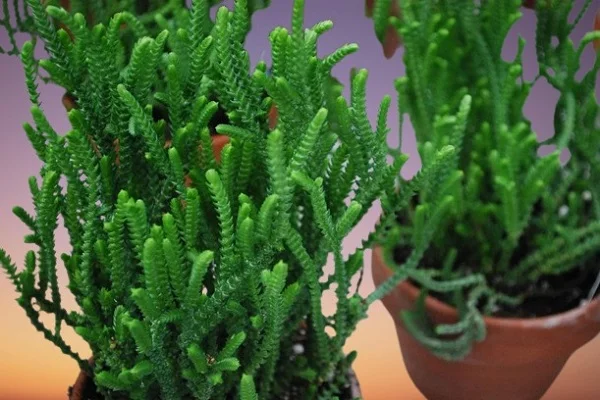
But first, let's learn some facts about this quirky, eye-catching succulent. Crassula muscosa also called Rattail Crassula or Clubmoss Crassula is among well-liked Crassula varieties and bears tiny, scale-like, light-green leaves which are densely packed around a thin stem.
Watch Chain Plant is much-branched plant whose leaves are arranged in opposite pairs around the stem in four rows which gives the stem a square shape.
Rattail Crassula stems start off erect but as they mature, they begin to trail due to the weight of the leaves placing it among plants for a hanging basket, desktop, plant shelf or pedestal where they can cascade down beautifully.
The species name, 'muscosa', is Latin for 'mossy', in reference to the moss-like appearance of this plant. While the synonmy, 'lycopodioides', is in reference to being like lycopodium (clubmoss).
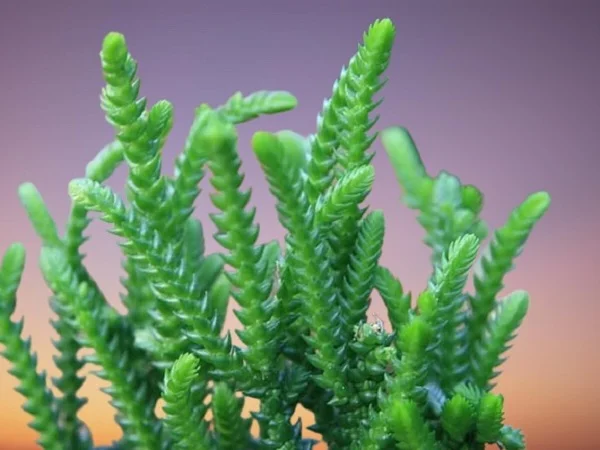
Botanical name: Crassula muscosa
Synonym: Crassula lycopodioides
Family: Crassulaceae
Common names: Watch Chain Plant, Rattail Crassula, Clubmoss Crassula, Lizard Tail, Zipper Plant, Princess Pine
Origin
Crassula muscosa also called Crassula lycopodioides is native to South Africa's Cape Provinces, Free State and Northern Provinces and in Namimbia and Lesotho. It is widely distributed in the semi-arid and karoo areas in the rocky habitats as well as in plains.
Size and Flower
Crassula Watch Chain is a small bush which grows to a height of about 1 ft and slightly less than 1 ft wide. It blooms from early spring to mid-summer although it is unlikely to flower when grown indoors. The flowers are tiny, star-shaped, yellow-green and have a musty smell.
Invasiveness
Crassula lycopodioides can be invasive if not well controlled. The stems break off easily, fall to the ground and root where they drop. Therefore, handle and dispose the plant with care to reduce unintended spread.
Is Crassula muscosa toxic to pets?
Yes. Crassula muscosa like its cousin, Jade Plant, is considered toxic to both humans and pets as indicated by ASPCA. If ingested it can cause nausea, vomiting and diarrhea. Keep the plant away from the reach of children and pets.
Crassula muscosa benefits
- Low maintenance: It requires minimal watering and care.
- Drought-tolerant: It stores water in its leaves and can survive on neglect.
- Compact size: It stays small and bushy, making it ideal for desks, windowsills, and terrariums.
- Unique & eye-catching: Its stacked, spiral-like leaves make it stand out among other succulents.
Where to Buy
If you would like to add this beauty to your plant collection, Crassula muscosa is available online on Etsy (Link to Etsy) and on Amazon (Link to Amazon).
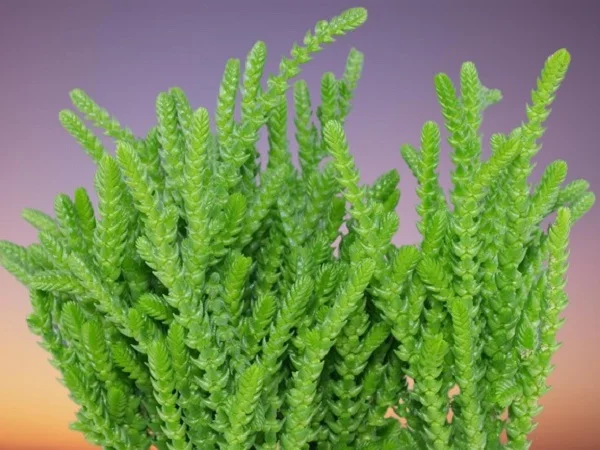
Crassula muscosa Care Indoors
To care for Crassula muscosa, provide bright light with at least 4-6 hours of direct sunlight, warmth of 20-280C, humidity of 50-55% and moderately moist, fertile, well-drained, succulents soil coupled with monthly feeding during the growing season.
Rattail Crassula needs repotting only when pot-bound. Pruning is necessary to keep the plant neat, to reduce pest and disease infestations, to encourage branching and to rejuvenate growth. Keep reading for more on these growing conditions and how to provide them.
Watering
Water Crassula muscosa deeply during the growing season and allow the top half of the soil to dry out between waterings. Maintain the soil moderately moist but not soggy to avoid mushy, yellow leaves.
Cut down on watering in the cold period as growth is reduced. Keep the soil barely moist but do not let it dry out completely as it can result in wrinkled, yellow leaves.
Use room temperature water to avoid cold shock as it can result in stunted growth and leaf drop. Be careful not to wet the foliage to discourage fungal diseases.
Ascertain that the pot has a drainage hole and the soil is free-draining to prevent waterlogging which can lead to rotting and death of the plant. Always discard excess water from the saucer to prevent soil sogginess
Light Requirements
Watch Chain Plant requires bright light with at least 4-6 hours of morning or late afternoon sunlight. Keep it away from midday hot sunshine to avoid scorching; reddish-brown or crispy leaves.
If the light is not sufficient, the plant will become leggy with elongated stems and yellowing leaves. Move the plant to a brighter spot or use a grow light if the natural lighting is not adequate.
Regularly rotate the pot to ensure that the plant receives light on all sides for uniform growth and to prevent unbalanced growth.
You may grow Rattail Crassula outdoors, however, gradually acclimate it and place it in a shaded place to prevent scorching of the leaves.
Temperature & Humidity
Crassula lycopodioides prefers an average warmth of 20-280C during the growing season and a minimum of 60C in the cold season. Keep it away from drafts like windy doors and windows, AC units, radiators, hot air vents and others as they can cause reduced growth, wilting, yellowing, leaf drop and brown leaf spots.
Watch Chain Plant has no need for extra humidity; a humidity of 50-55% is ideal for this plant. Maintain good air circulation to minimize fungal diseases. Keep the plant away from humid rooms and do not mist to prevent rotting.
Potting Soil
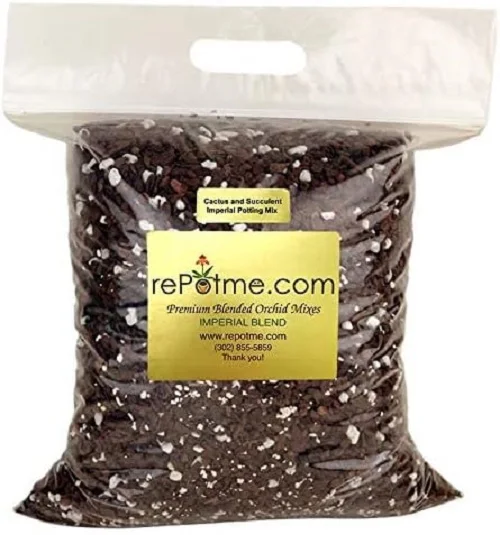
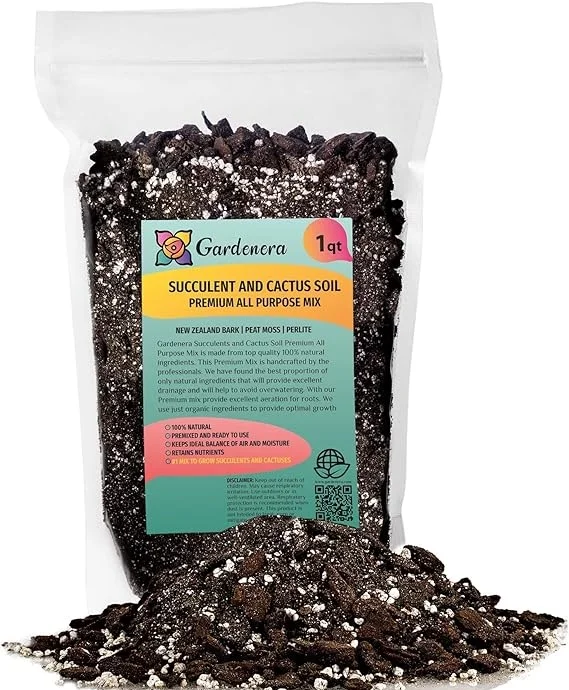
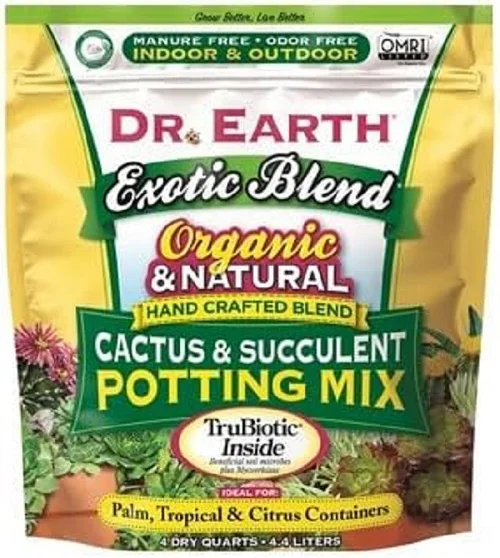
The best soil for Crassula Watch Chain is fast-draining, sandy soil mix that is rich in organic matter. The soil should be loose enough to allow water to drain out easily. A Cactus and succulents mix is perfect for this plant.
Fertilizer
Crassula muscosa is not a heavy feeder, therefore, feed it monthly during the growing season with a cactus and succulents fertilizer for a lush growth. Avoid too much fertilizer as it can lead to leggy, weak stems.
Do not feed it in the cold season as growth is reduced and feeding at this time can cause fertilizer burn and eventual death of the plant.
Repotting
Repot your Watch Chain Plant at the beginning of the growing season only when it becomes pot-bound. Use a pot that is 1 size larger than the current one to avoid overpotting.
Confirm that the pot has a drainage hole to prevent the soil from getting soggy to prevent root-rot. Use a clay pot as it is porous and allows the soil to dry out faster to keep it from staying wet for too long. Take a look at these terracotta pots on Amazon.
Before repotting, ensure that the soil is dry. Slip the plant out of its pot and brush off soil from the roots. Snip off any dead or dry roots and treat the wounds with a fungicidal solution.
Place the plant in its new pot and back fill with fresh, loose, free-draining soil while spreading the roots as you fill the pot.
Do not fill the pot to the brim but leave about 1 in. unfilled to allow for watering space.
Put back the plant to its display position and keep it dry for about 5-7 days to reduce the risk of rot-root disease.
Pruning & Grooming
Pruning Crassula muscosa involves removal of dead or diseased leaves to keep it neat and also discourage pest and disease infestations.
To encourage branching and a bushy, compact growth, regularly pinch off the tips of the stems. Cutback the plant at the beginning of the growing season when it becomes unruly to rejuvenate growth.
With age, the stems begin to trail or droop at the weight of the leaves. Therefore, cut them back to keep the plant compact. Minimize the number of cuts as much as possible to avoid unnecessary injuries to reduce disease infestations.
Clean the leaves regularly by splashing water from a steady stream to get rid of dust and also discourage pests and diseases infestations.
Crassula muscosa Propagation
Crassula muscosa also called Rattail Crassula or Watch Chain Plant is propagated during the growing season (spring through summer) from stem cuttings. The cuttings can be rooted in soil or in water.
1. Propagating Crassula muscosa from stem cuttings in soil
- By use of sterilized scissors, take 3-4 inches stem cuttings from a healthy plant. Ensure it bears at least 2-3 leaf nodes.
- Allow the cutting to dry out (callus) for a few days.
- Once callused, insert 2 inches of the lower cut end of the stem cuttings into dry, succulents soil and avoid watering for a few days.
- Place the set up in a warm place under bright indirect light.
- Maintain the soil slightly moist until the stem cuttings are rooted. Rooting can take about 2-3 weeks.
- Allow substancial growth before transplanting the new plant after which you can begin routine care.
2. Propagating Crassula muscosa from stem cuttings in soil
- With sterilized scissors, take 3-4 inches stem cuttings from a healthy plant. Make sure that it bears at least 2-3 leaf nodes.
- Leave the cutting under a shade to dry out (callus) for a few days.
- Once callused, place the cutting in a jar of plain water or in a propagation station, ensure at least one leaf node is submerged in water.
- Change the water every 5-7 days to prevent bacterial and fungal growth.
- Position the set up in a warm, brightly-lit spot until it is well rooted. Roots will develop in 2-3 weeks.
- When the roots are about 2-3 inches long, transfer the cutting into a small pot in succulents soil.
- Keep the soil slightly moist until the plant is well established.
- Transfer the new plant into a pot one size larger than the current one in succulents soil and begin routine care.
Crassula muscosa Problems & Solutions
Watch Chain Plant problems are yellow leaves, brown leaves, leaf drop, leggy growth, pests and diseases among others. Keep reading for more on these problems and how to solve them.
Yellow leaves
The main causes of yellow leaves on Crassula muscosa are inconsistent watering, soggy soil, too little light, drafts, nutrients deficiency or aging.
How to fix it
Inconsistent watering: Water when the top 2-3 inches of soil dry out but do not allow the soil to dry out completely for a long period.
Soggy soil: Use fast-draining soil and a pot that has a drainage hole.
Too little light: Position the plant in bright light with 4-6 hours of direct sunlight or use a grow light if you do not have enough light in your home.
Drafts: Keep the plant away from sources of drafts like radiators, hot air vents, AC units, hot surfaces, windy doors and others.
Nutrients deficiency: Feed the plant with a cactus and succulents fertilizer every 4 weeks in spring and summer.
Aging: This is a natural process. As the lower leaves mature, they turn yellow, brown and eventually drop.
Brown leaves
Some of the causes of brown leaves on Crassula muscosa are inconsistent watering, soggy soil, temperature stress or pest infestations.
How to fix it
Inconsistent watering: Water only when the top 2-3 inches of soil dry out but do not allow the soil to dry completely.
Soggy soil: Use a well-draining soil and a pot that has a drainage hole.
Temperature stress: Keep the plant away from sources of drafts like AC units, radiators, open doors, drafty windows among others.
Pests infestation: Regularly inspect your plant and treat any infected plant immediately.
Leaf drop
Leaf drop on Crassula muscosa is caused by too little light, inconsistent watering, soggy soil, drafts, nutrients deficiency, pest infestations or aging.
How to fix it
Too little light: Position the plant in bright light with 4-6 hours of direct sunlight or use a grow light if you do not have enough light in your home.
Inconsistent watering: Do not water on a schedule. Water when the top 2-3 inches of soil dry out but never allow the soil-ball to dry out completely.
Soggy soil: Use well-draining soil and a pot with a drainage hole.
Drafts: Keep the plant away from drafts like windy doors, drafty windows, AC units, hot air vents among others.
Nutrients deficiency: Feed the plant with a cactus and succulents fertilizer every 4 weeks in spring and summer.
Pest infestations: Regularly inspect the plant for pests and carry out timely control measures.
Aging: This is a natural process. As the lower leaves mature, they turn yellow, brown and eventually fall off.
Leggy growth
Leggy growth on Watch Chain Plant is caused by soggy soil or low light.
How to fix it
Soggy soil: Make sure that the pot has a drainage hole and that the soil drains easily.
Low light: Position the plant in bright light with at 4-6 hours of direct sunlight or instal a grow light if the natural lighting not enough.
Pests
Common pests of Crassula muscosa are scale insects, mealy bugs and spider mites which are common in dry conditions.
How to fix it
- Isolate the affected plant to reduce spread to other plants.
- Spray the plant with an insecticidal soap as per the manufacturer's recommendations.
- Check between the leaves for these pests and carry out timely control measures.
- Maintain the plant well pruned to discourage the pest infestations.
- Group the plants together or set the pot on a wet pebble tray to raise humidity.
Diseases
Watch Chain Plant is prone to leaf spot disease, powdery mildew and black leg disease which are prevalent in overwet conditions.
How to fix it
- Isolate the affected plant to minimize spread to other plants and treat it with neem oil as per the manufacturer's instructions.
- Improve ventilation for your plant and avoid wetting the foliage.
- Always allow the soil to dry out between waterings.
- Use a pot with a drainage hole and well-draining soil to prevent waterlogging.
Frequently Asked Questions (FAQs)
1. How much sunlight does Crassula muscosa need?
Crassula muscosa thrives in 4–6 hours of bright direct sunlight but can tolerate bright indirect light.
2. How often should I water Crassula muscosa?
Water Crassula muscosa when the top 2-3 inches of soil are dry. Do not water on a schedule.
3. Can Crassula muscosa take full sun?
Yes. Crassula muscosa adapts well to full sunlight but it needs to be gradually acclimated to prevent scorching.
4. How fast does Crassula muscosa grow?
Crassula muscosa has a moderate to fast growth rate, especially in warm, bright conditions.
5. How can I make Crassula muscosa grow faster?
To make your Crassula muscosa grow faster;
- Give it bright light with 4-6 hours of sunlight.
- Water when the top 2-3 inches of soil dry out.
- Maintain an average warmth, keep it away from drafts.
- Maintain a moderate humidity.
- Feed monthly with a cactus and succulents fertilizer.
- Pot in well-drained, succulents soil.
- Use a pot with a drainage hole.
- Repot when rootbound.
- Cutback at the beginning of the growing season.
- Take timely control of pests and diseases.
6. Why is my Watch Chain Plant dying?
Your Watch Chain Plant is dying from root-rot disease which is promoted by soggy soil. Cut down on watering. Ensure that the pot has a drainage hole and the soil is well-drained.
7. How do you revive Crassula muscosa?
- Carefully slip the plant from its pot, trim black, mushy roots, and treat the healthy roots with a copper-based fungicidal solution.
- Repot the plant in fresh succulents soil and keep it dry for 5-7 days before watering again.
- Use a pot with a drainage hole to prevent the soil from getting soggy.
- Cut down on watering in the cold season to keep the soil barely slightly moist as growth is minimal at this time.
8. Why are my Crassula muscosa leaves turning yellow?
Yellowing is often due to overwatering or poor drainage. Ensure that the soil dries slightly between waterings.
9. Why is my Watch Chain Plant drooping?
Drooping on Watch Chain Plant is caused by underwatering and temperature stress. Water when the top 2-3 inches of soil dry out and keep the plant away from drafts to maintain an average warmth.
10. Does Watch Chain Plant smell?
Watch Chain Plant blooms with delicate whitish-cream flowers in midsummer which have a musky sweet scent.
You liked it? Share on social media.
Related Content
Amazon Associates Disclosure
Homeplantsguide.com is a participant in the Amazon Services LLC Associates Program, an affiliate advertising program designed to provide a means for sites to earn advertising fees by advertising and linking to amazon.com.